B. Voc In Physiotherapy
Program Overview
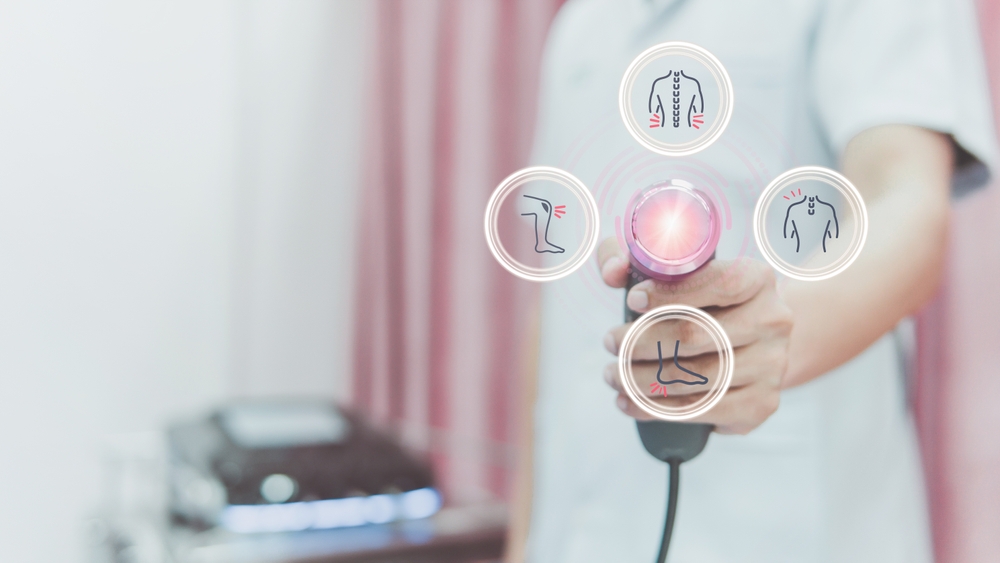
B.Voc in Physiotherapy is a 3-year undergraduate program divided into six semesters under allied healthcare studies. The course trains students in therapeutic exercises, electrotherapy, rehabilitation methods, and pain management techniques to assist physiotherapists in patient care. Graduates play a vital role in helping patients recover from injuries, regain mobility, and enhance physical well-being. With a blend of theory and practical training, this program prepares students for careers in hospitals, rehabilitation centers, clinics, sports facilities, and wellness organizations.
Curriculum Overview
- Duration: The B.Voc in Physiotherapy is a three-year undergraduate program divided into six semesters.
- Curriculum: The course covers anatomy, physiology, biomechanics, exercise therapy, electrotherapy, rehabilitation techniques, pain management, and healthcare ethics. It blends theoretical learning with practical skills to prepare students for careers in physiotherapy, rehabilitation, and allied healthcare services.
- Practical Training: Students gain clinical exposure through workshops, simulations, and postings in hospitals and rehabilitation centers. Training includes conducting physiotherapy assessments, designing treatment plans, assisting in therapeutic exercises, and supporting patient recovery.
- Industry Alignment: The curriculum reflects current healthcare practices and physiotherapy standards, ensuring students develop relevant professional competencies.
- Internship and Placement: Mandatory internships in hospitals, clinics, and physiotherapy centers provide real-world experience. Placement support helps graduates secure careers in rehabilitation, sports medicine, orthopedic care, and wellness facilities.
Course Structure
Core Subject
- Human Anatomy & Physiology
- Biomechanics & Kinesiology
- Exercise Therapy
- Electrotherapy Techniques
- Rehabilitation Sciences
- Orthopedic & Neurological Physiotherapy
- Healthcare Ethics & Communication Skills
Specialization Electives
- Sports Physiotherapy
- Pediatric Physiotherapy
- Geriatric Rehabilitation
- Cardiopulmonary Physiotherapy
- Community-Based Rehabilitation
- Pain Management & Alternative Therapies
Practical Training Modules
- Clinical Postings in Hospitals & Rehab Centers
- Hands-on Training in Therapeutic Exercises
- Electrotherapy & Manual Therapy Practice
- Patient Assessment & Treatment Planning
- Case Studies in Physiotherapy Care
Projects & Assignment
- Case Presentations on Patient Rehabilitation
- Research Projects in Physiotherapy & Healthcare
- Community Health & Awareness Campaigns
- Final Semester Major Project with Clinical Exposure
Key Skills Developed
- Communication Skills: Ability to interact effectively with patients, families, and healthcare teams through clear communication, ensuring accurate guidance and quality rehabilitation.
- Research and Investigation: Skills to study patient conditions, analyze therapy outcomes, and apply evidence-based physiotherapy techniques for improved recovery.
- Critical Thinking: Capacity to assess physical limitations, interpret diagnostic findings, and make informed treatment decisions.
- Creativity and Innovation: Innovative approach to designing exercise programs, using advanced therapy methods, and improving patient mobility.
- Digital Literacy: Proficiency in operating physiotherapy equipment, patient management software, and healthcare systems.
- Adaptability and Flexibility: Ability to adjust to evolving rehabilitation techniques, protocols, and diverse patient needs.
- Ethical Awareness: Strong understanding of medical ethics, patient confidentiality, and professional standards in physiotherapy practice.
What You'll Learn
- News Writing & Reporting: Learn to document patient assessments, therapy sessions, and rehabilitation progress accurately.
- Media Production: Gain skills in handling physiotherapy equipment and digital health record systems.
- Mass Communication & Ethics: Understand patient interaction, confidentiality, and ethical physiotherapy practices.
- Public Relations & Advertising: Learn clinic protocols, rehabilitation awareness, and safety standards.
- Practical Training: Hands-on training through clinics, hospitals, and rehab simulations.
- Photography & Photojournalism: Develop skills in documenting therapy techniques and patient recovery.
Career Opportunities After B. Voc. Journalism & Mass Communication
| Career Profile | Job Role Description | Average Salary (per year in India) |
|---|---|---|
| Journalist / Reporter | Writing news articles, conducting interviews, investigating stories, and reporting on events for newspapers, magazines, websites, or broadcast media. | ₹2.5 – ₹5 LPA |
| Editor / Content Editor | Editing written and multimedia content, managing editorial teams, and overseeing content production for media organizations or publishing houses. | ₹3 – ₹6 LPA |
| Digital Content Creator | Producing digital content (videos, podcasts, blogs, social media posts, interactive media) for online platforms and digital outlets. | ₹2.5 – ₹5.5 LPA |
| Broadcast Journalist | Presenting news bulletins, hosting talk shows, conducting interviews, and producing segments for TV, radio, or online streaming. | ₹3 – ₹6.5 LPA |
| Public Relations Specialist | Developing PR strategies, crafting press releases, handling media relations, and organizing events for corporates, agencies, or NGOs. | ₹3 – ₹6.5 LPA |
| Advertising Executive | Creating ad campaigns, designing promotional content, and managing client accounts for agencies and marketing firms. | ₹3 – ₹7 LPA |
| Media Manager / Strategist | Planning media strategies, analyzing audience engagement, and optimizing content distribution for brands and organizations. | ₹4 – ₹8 LPA |
Frequently Asked Question
Q1. What is B.Voc in Physiotherapy?
It is a 3-year undergraduate vocational program that trains students in physiotherapy techniques, rehabilitation, and preventive healthcare practices.
Q2. Who is eligible for this course?
Students who have completed 10+2 with at least 50% marks, preferably with Physics, Chemistry, and Biology, from a recognized board.
Q3. What skills will I gain?
Patient rehabilitation, exercise therapy, injury management, physiotherapy techniques, preventive care, and hands-on clinical practice.
Q4. Can I pursue higher education after B.Voc in Physiotherapy?
Yes, you can go for M.Sc. in Physiotherapy, Rehabilitation Sciences, or specialized diplomas in areas like sports or neuro physiotherapy.
Q5. Is demand for physiotherapists increasing?
Yes, with rising cases of lifestyle diseases, injuries, and need for rehabilitation, physiotherapy professionals are in high demand worldwide.