
B. Voc in Dialysis Technology
Program Overview
The B.Voc in Dialysis Technology is designed to provide students with both the theoretical knowledge and practical expertise needed to succeed in the field of renal care. The program combines hands-on training, clinical exposure, and expert instruction, enabling learners to operate dialysis equipment, manage patient care, and understand the intricacies of kidney health. With a strong focus on technical skills and compassionate patient interaction, this course prepares graduates for rewarding careers in healthcare, equipping them to play a vital role in improving the lives of patients through advanced dialysis care.

Curriculum Overview
- Duration: The B.Voc in Dialysis Technology is a three-year undergraduate program divided into six semesters.
- Curriculum: The program covers renal anatomy and physiology, pathology, dialysis principles, hemodialysis and peritoneal dialysis techniques, patient care, infection control, and medical equipment handling. It combines theoretical knowledge with practical skills to prepare students for careers in dialysis centers, hospitals, and renal care units.
- Practical Training: Students receive hands-on training through clinical postings, laboratory sessions, and workshops. They gain experience in operating dialysis machines, monitoring patients, maintaining records, and managing emergencies.
- Industry Alignment: The curriculum reflects current renal care practices and technological advancements. Collaborations with hospitals, dialysis centers, and healthcare institutions provide real-world exposure and skill development.
- Internship and Placement: Mandatory internships in reputed dialysis centers and hospitals offer practical experience, with dedicated placement support to secure opportunities in healthcare and renal care facilities.
Course Structure
Core Subject
Renal Anatomy & Physiology
Pathophysiology of Kidney Diseases
Principles of Dialysis
Hemodialysis & Peritoneal Dialysis Techniques
Patient Care & Monitoring
Infection Control & Safety Protocols
Specialization Electives
Advanced Dialysis Procedures
Renal Pharmacology
Dialysis Equipment Management
Nutritional Management in Renal Care
Quality Assurance in Dialysis
Practical Training Modules
Clinical Postings in Dialysis Centers & Hospitals
Hands-on Training on Dialysis Machines
Patient Monitoring & Emergency Management
Laboratory Procedures & Blood Analysis
Maintenance and Calibration of Dialysis Equipment
Projects & Assignment
Case Studies on Renal Disorders
Research-Based Mini Projects
Community Awareness Programs on Kidney Health
Final Semester Major Project in Collaboration with Hospitals
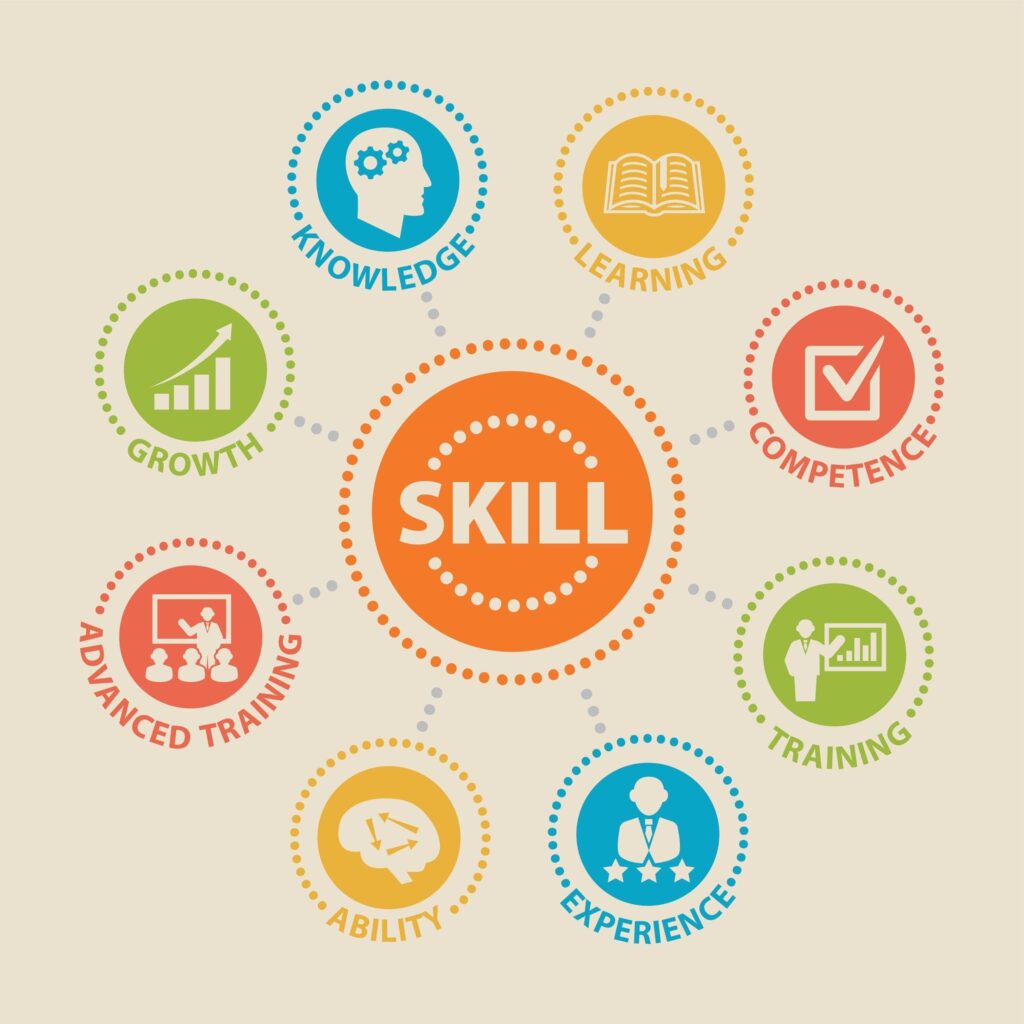
Key Skills Developed
- Communication Skills: Ability to communicate effectively with patients, families, and healthcare teams, ensuring clear instructions and compassionate patient care.
- Research and Investigation: Skills to study kidney disorders, analyze patient case histories, and implement evidence-based dialysis practices.
- Critical Thinking: Capacity to assess clinical situations, interpret lab and dialysis data, and make informed decisions during renal care procedures.
- Creativity and Innovation: Innovative approach to applying modern dialysis techniques, optimizing equipment use, and improving patient care methods.
- Digital Literacy: Proficiency in operating dialysis machines, managing patient records, and using digital healthcare systems efficiently.
- Adaptability and Flexibility: Ability to adjust to new dialysis technologies, updated protocols, and diverse patient needs.
- Ethical Awareness: Strong understanding of medical ethics, patient confidentiality, and renal care regulations.

What You'll Learn
- News Writing & Reporting: Learn to document patient histories, dialysis sessions, and medical records accurately.
- Media Production: Gain basic skills in operating dialysis machines and recording patient data.
- Mass Communication & Ethics: Understand healthcare communication, patient confidentiality, and medical ethics.
- Public Relations & Advertising: Learn hospital protocols, patient counseling, and kidney health awareness programs.
- Practical Training: Get hands-on experience through clinical postings, simulations, and workshops.
- Photography & Photojournalism: Develop skills in imaging, monitoring, and visual documentation of dialysis procedures.
Career Opportunities After B. Voc. Journalism & Mass Communication
| Career Profile | Job Role Description | Average Salary (per year in India) |
|---|---|---|
| Journalist / Reporter | Writing news articles, conducting interviews, investigating stories, and reporting on events for newspapers, magazines, websites, or broadcast media. | ₹2.5 – ₹5 LPA |
| Editor / Content Editor | Editing written and multimedia content, managing editorial teams, and overseeing content production for media organizations or publishing houses. | ₹3 – ₹6 LPA |
| Digital Content Creator | Producing digital content (videos, podcasts, blogs, social media posts, interactive media) for online platforms and digital outlets. | ₹2.5 – ₹5.5 LPA |
| Broadcast Journalist | Presenting news bulletins, hosting talk shows, conducting interviews, and producing segments for TV, radio, or online streaming. | ₹3 – ₹6.5 LPA |
| Public Relations Specialist | Developing PR strategies, crafting press releases, handling media relations, and organizing events for corporates, agencies, or NGOs. | ₹3 – ₹6.5 LPA |
| Advertising Executive | Creating ad campaigns, designing promotional content, and managing client accounts for agencies and marketing firms. | ₹3 – ₹7 LPA |
| Media Manager / Strategist | Planning media strategies, analyzing audience engagement, and optimizing content distribution for brands and organizations. | ₹4 – ₹8 LPA |
Frequently Asked Question
Q1. What is Dialysis Technology?
A healthcare field treating kidney failure patients using dialysis machines, monitoring vitals, and ensuring safe treatment.
Q2. Can I pursue higher education?
Yes – options include M.Sc. in Nephrology/Healthcare Management, Postgraduate Diploma in Dialysis/Clinical Research, and certifications in dialysis techniques.
Q3. Is dialysis technology in demand?
Yes. With the rising prevalence of kidney disease globally, there’s an increasing demand for skilled dialysis technologists. Hospitals and clinics often seek trained professionals to manage dialysis units.
Q4. What is the scope of BSc dialysis Technology?
B.Sc. Dialysis Technology offers careers as dialysis technicians, supervisors, educators, or medical device specialists, with high demand in healthcare.
Q5. What is the qualification of a dialysis technician?
A dialysis technician typically requires a Diploma or B.Voc in Dialysis Technology, or a B.Sc. with specialized dialysis training.