B.Voc In Spatial Planning and Design
Program Overview
B.Voc in Spatial Planning and Design is a 3-year undergraduate program divided into six semesters. The course equips students with knowledge and skills in urban design, regional planning, sustainable development, and spatial management. It blends theoretical concepts with practical training through projects, workshops, and field studies. Graduates play an important role in designing functional, sustainable, and aesthetically pleasing spaces, preparing for careers in urban planning, real estate, infrastructure development, and architectural firms.
Curriculum Overview
- Duration: The B.Voc in Spatial Planning and Design is a three-year undergraduate program divided into six semesters.
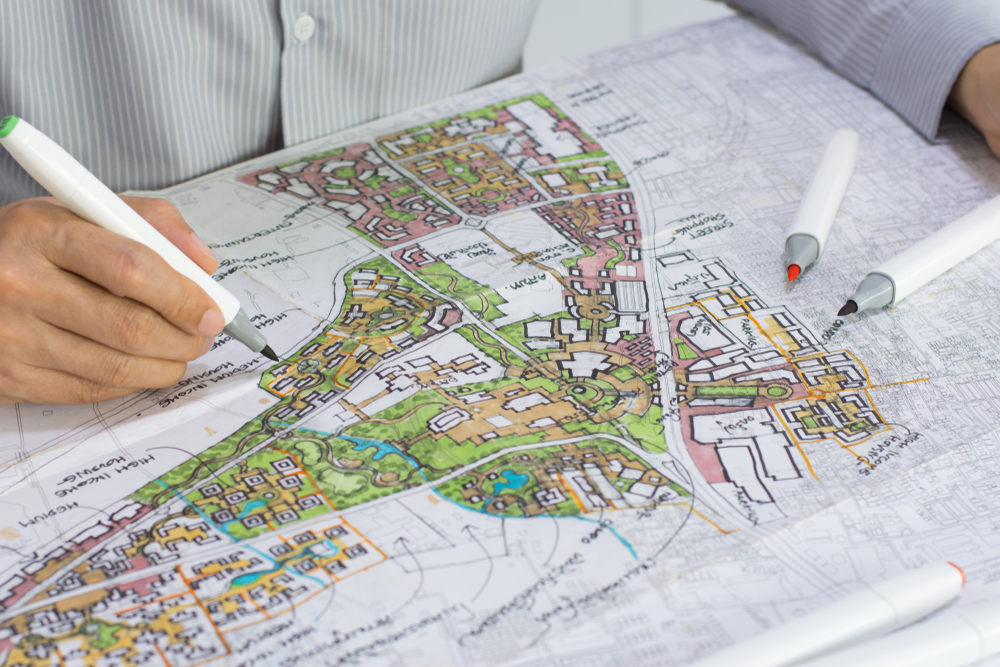
- Curriculum: The course covers urban and regional planning, sustainable design, infrastructure development, land use management, environmental planning, GIS mapping, and architectural visualization. It blends theoretical knowledge with practical applications to prepare students for roles in planning, designing, and managing urban and rural spaces.
- Practical Training: Students gain hands-on experience through workshops, field surveys, studio projects, and software-based simulations. Training includes creating master plans, spatial analysis, urban redevelopment projects, and environmental impact assessments.
- Industry Alignment: The curriculum aligns with contemporary planning standards, sustainable practices, and technological tools used in spatial design.
- Internship and Placement: Mandatory internships and placement support help students explore careers in urban planning agencies, architectural firms, real estate development, and government planning departments.
Course Structure
Core Subject
- Urban and Regional Planning
- Land Use and Infrastructure Planning
- Environmental Planning and Sustainability
- Geographic Information Systems (GIS)
- Architecture and Spatial Design Principles
- Urban Policy and Governance
Specialization Electives
- Smart Cities and Sustainable Development
- Transportation and Mobility Planning
- Landscape Design and Green Spaces
- Disaster Management and Resilient Planning
- Real Estate Development and Project Management
Practical Training Modules
- Field Surveys and Site Analysis
- GIS and CAD Mapping Workshops
- Urban Redevelopment and Planning Studios
- Environmental Impact Assessment Labs
Projects & Assignment
- Master Plan Development Projects
- Spatial Analysis and Mapping Assignments
- Internship-Based Planning Projects
- Final Capstone Design Project
Key Skills Developed
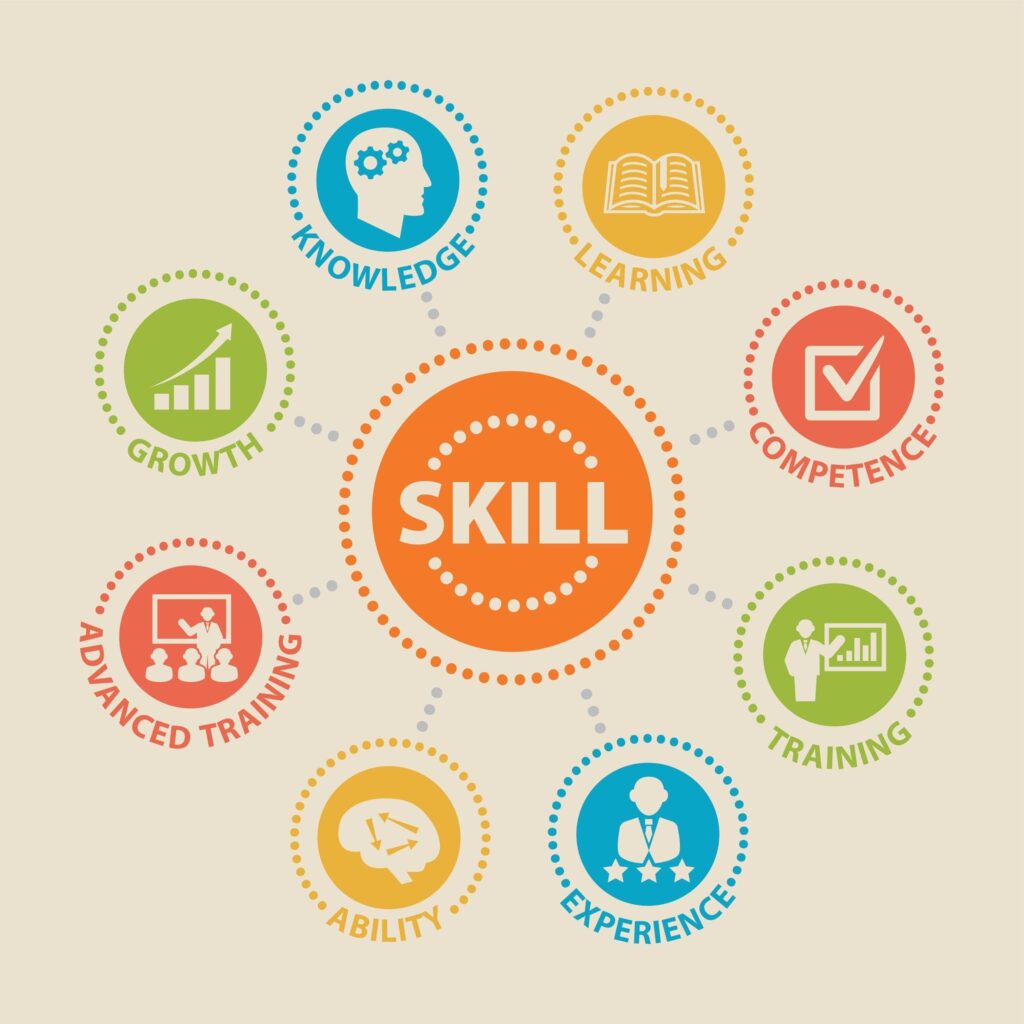
- Communication Skills: Ability to interact effectively with clients, architects, and planning teams through clear verbal, written, and visual communication, ensuring accurate project delivery.
- Research and Investigation: Skills to study urban trends, analyze land use patterns, and apply evidence-based planning strategies.
- Critical Thinking: Capacity to assess spatial problems, evaluate site data, and make informed decisions in urban and regional planning projects.
- Creativity and Innovation: Innovative approach to designing sustainable, functional, and aesthetically appealing spaces.
- Digital Literacy: Proficiency in GIS, CAD, 3D modeling, and other digital tools for efficient spatial analysis and visualization.
- Adaptability and Flexibility: Ability to adjust to evolving planning standards, policies, and environmental considerations.
- Ethical Awareness: Strong understanding of sustainable development, zoning laws, and professional ethics in planning.
What You'll Learn
- News Writing & Reporting: Learn to document planning projects, site surveys, and design reports accurately.
- Media Production: Gain skills in GIS, CAD, and digital mapping tools.
- Mass Communication & Ethics: Understand client communication, zoning laws, and ethical planning practices.
- Public Relations & Advertising: Learn urban awareness programs and community engagement.
- Practical Training: Hands-on fieldwork, workshops, and spatial design projects.
- Photography & Photojournalism: Develop skills in visual documentation of sites and plans.
Career Opportunities After B. Voc. Journalism & Mass Communication
| Career Profile | Job Role Description | Average Salary (per year in India) |
|---|---|---|
| Journalist / Reporter | Writing news articles, conducting interviews, investigating stories, and reporting on events for newspapers, magazines, websites, or broadcast media. | ₹2.5 – ₹5 LPA |
| Editor / Content Editor | Editing written and multimedia content, managing editorial teams, and overseeing content production for media organizations or publishing houses. | ₹3 – ₹6 LPA |
| Digital Content Creator | Producing digital content (videos, podcasts, blogs, social media posts, interactive media) for online platforms and digital outlets. | ₹2.5 – ₹5.5 LPA |
| Broadcast Journalist | Presenting news bulletins, hosting talk shows, conducting interviews, and producing segments for TV, radio, or online streaming. | ₹3 – ₹6.5 LPA |
| Public Relations Specialist | Developing PR strategies, crafting press releases, handling media relations, and organizing events for corporates, agencies, or NGOs. | ₹3 – ₹6.5 LPA |
| Advertising Executive | Creating ad campaigns, designing promotional content, and managing client accounts for agencies and marketing firms. | ₹3 – ₹7 LPA |
| Media Manager / Strategist | Planning media strategies, analyzing audience engagement, and optimizing content distribution for brands and organizations. | ₹4 – ₹8 LPA |
Frequently Asked Question
Q1. What is B.Voc in Spatial Planning and Design?
It is a three-year undergraduate vocational program that focuses on urban and regional planning, interior layouts, landscape design, sustainable development, and space management.
Q2. What skills will I gain from this course?
Students learn spatial design, environmental planning, architectural drawing, design technology, and practical project management.
Q3. What career opportunities are available after graduation?
Graduates can pursue careers as urban planners, spatial designers, interior designers, landscape designers, environmental planners, or real estate consultants.
Q4. Does the course include practical training?
Yes, the program emphasizes hands-on learning through workshops, live projects, and industry internships.
Q5. Is placement support provided?
Many institutions provide placement assistance with planning firms, government projects, and urban development agencies.